QPS Dubai

Forged Fittings Supplier in Dubai, UAE 

QPS supports forged fitting enquiries for compact high-integrity piping connections in specified carbon steel, low-temperature steel, stainless steel and alloy grades. The range includes socket-weld and threaded fittings used where the piping design permits these connection methods.

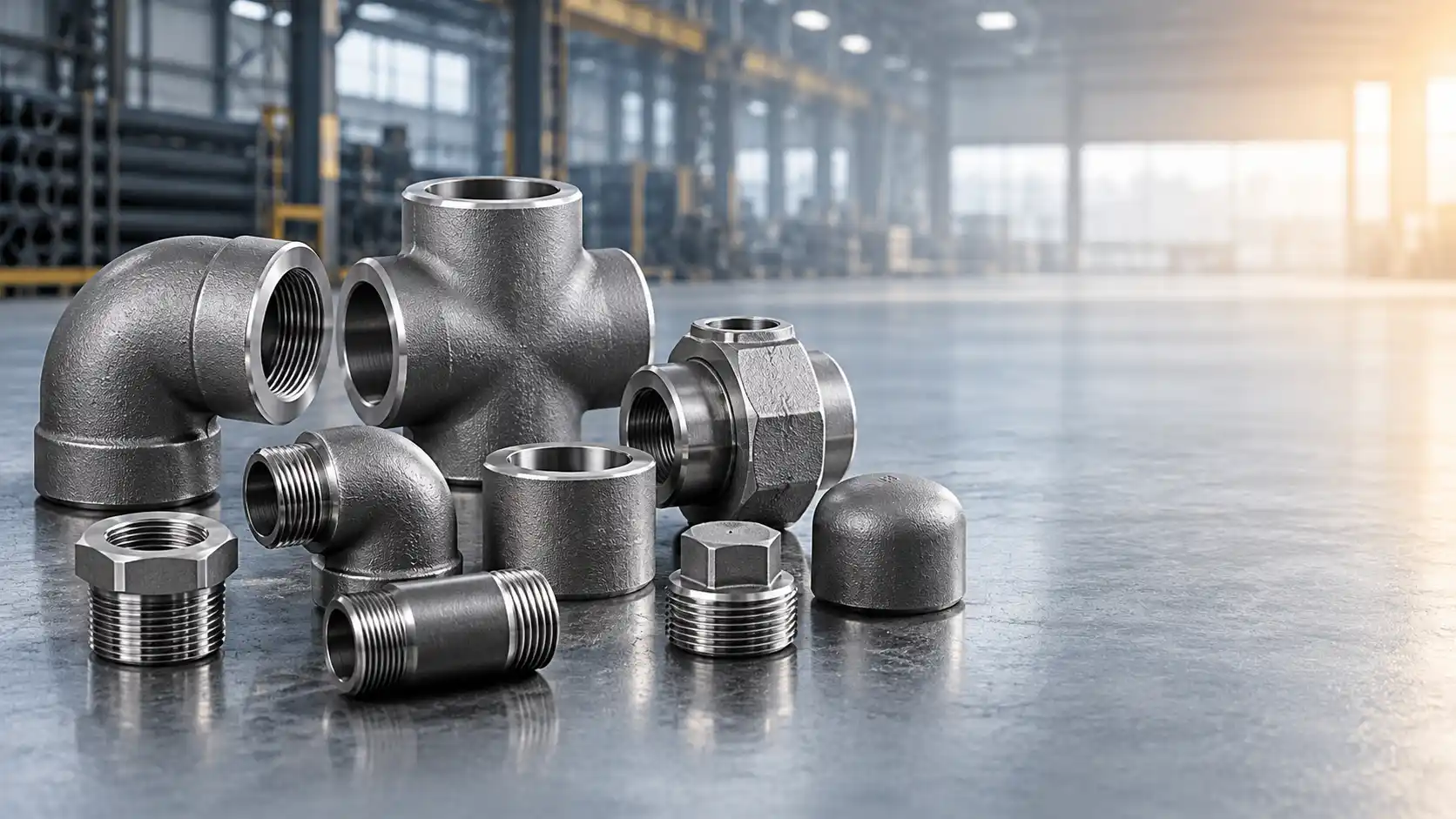
Forged socket weld and threaded steel fittings supplied by QPS Dubai UAE

Product Overview

Forged fittings are generally specified for smaller-bore piping assemblies and manufactured to defined material, dimension and pressure-class requirements. Common configurations include 90°/45° elbows, tees, couplings, unions, caps, bushings and plugs. Proper selection involves not just the class designation but the fitting end connection, matching pipe schedule, governing code and approved thread type.

OUR FORGED FITTINGS RANGETypes of Industrial Forged Fittings

QPS supports industrial forged fitting requirements across a broad range of connection types, material grades and pressure classes.

Our product range includes standard and specialised configurations manufactured for piping systems requiring compact, durable and specification-compliant connections.

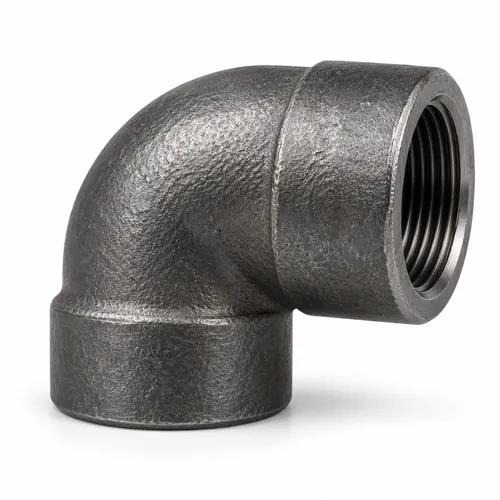
Forged Elbows

45° and 90° elbows for directional changes, available in suitable socket-weld and threaded configurations.
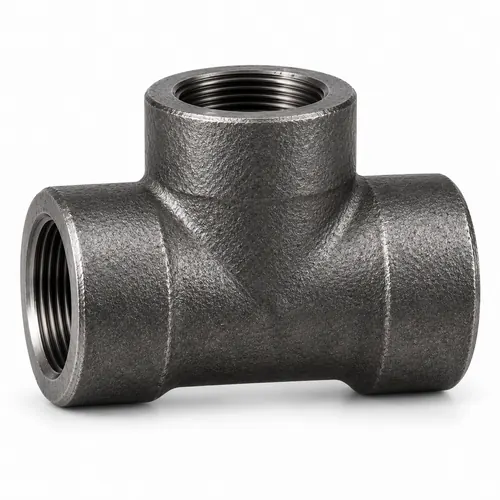
Equal & Reducing Tees

Forged branch fittings for combining or dividing flow through equal or reduced outlet connections.
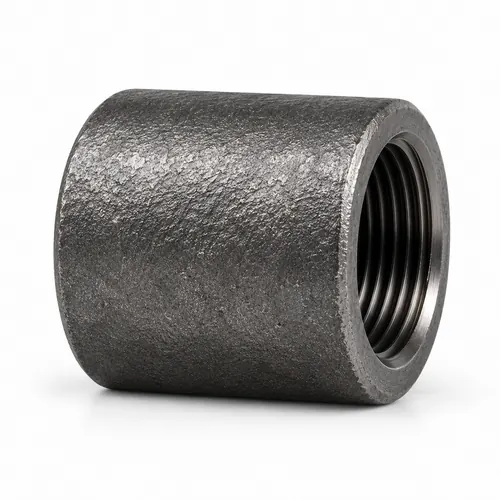
Full & Half Couplings

Components used for joining compatible pipe sections and providing specified branch or equipment connections.

Forged Unions

Detachable connections used where suitable piping design requires maintenance or disassembly access.
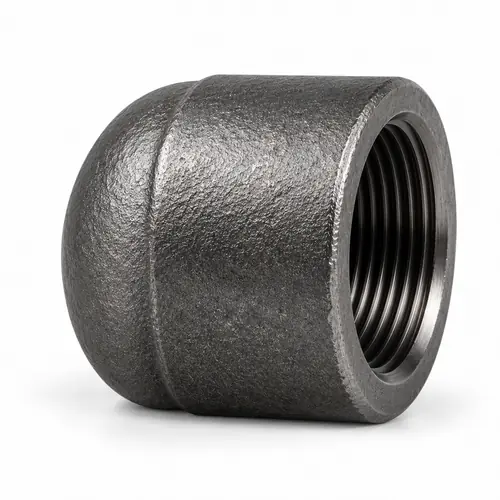
Forged Caps

End-closure components for compatible threaded or socket-weld piping connections.
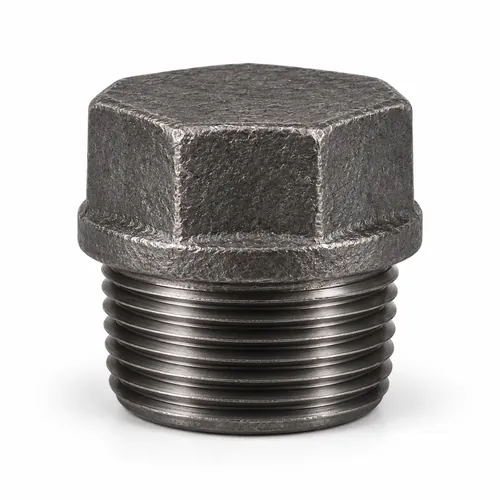
Forged Plugs

Threaded closure components for applicable openings in industrial piping systems.
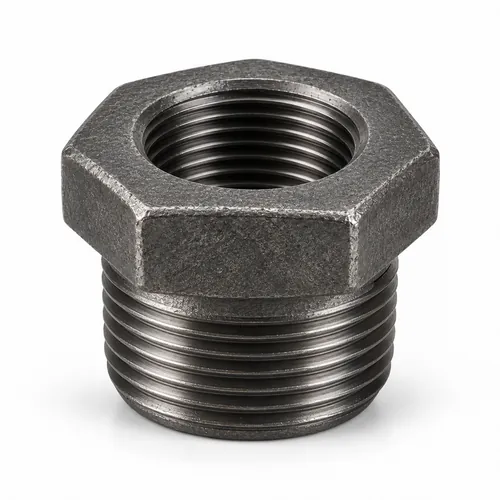
Forged Bushings

Threaded components used for appropriate size transitions and connections.
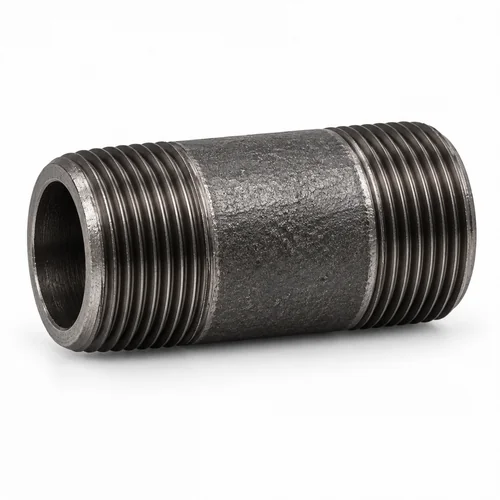
Threaded Nipples

Short pipe connection components with threaded ends, supplied to applicable material and dimensional specifications.

CONNECTION TYPESSocket-Weld vs Threaded Forged Fittings

Feature

Socket Weld

Threaded

Connection

Welded joint

Threaded joint

ASME B16.11 classes

3000, 6000, 9000

2000, 3000, 6000

Installation

Requires welding

Requires compatible threading

Typical applications

Suitable small-bore welded systems

Permitted threaded piping systems

Selection

Piping code and welding requirements

Thread standard and service restrictions

Socket-Weld Fittings

The pipe is inserted into the fitting socket and joined using an appropriate fillet weld. Commonly specified for permanent connections in suitable small-bore piping systems.
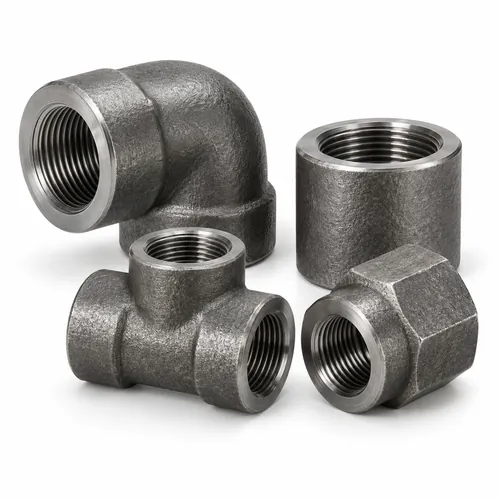
Threaded Fittings

Fittings use matching pipe threads to create a mechanical connection without welding the fitting to the pipe. Suitability depends on the applicable piping code, fluid service and operating conditions.

MATERIAL EXPERTISEMaterials, Standards & Technical Snapshot

QPS supports forged fitting requirements across carbon steel, stainless steel, low-temperature steel and specialised alloy grades for a wide range of industrial piping applications.

Our team can review material specifications according to the required connection type, dimensional standard, design conditions and project requirements, helping customers identify appropriate sourcing options for standard and specialised forged components.

Carbon steel and low temperature

ASTM A105; ASTM A350 LF2; other specified forged grades.

Stainless and alloy

ASTM A182 F304/F304L; F316/F316L; selected alloy grades.

Fitting standard

ASME B16.11 for applicable forged, socket-welding and threaded fittings.

Catalogue dimensions

Legacy brochure lists nominal 1/8–4 in. depending on type.

Classes

Class 2000, 3000 and 6000 appear in legacy brochure; confirm applicability by end connection and standard.

TECHNICAL SPECIFICATIONSDetailed Technical Specification Tables

Type

Details

Socket Weld

Socket type forged connections

Threaded

NPT or specified approved thread

Class 2000

Applicable threaded fittings only where permitted

Class 3000

Applicable socket-weld/threaded designs

Class 6000

Higher class, subject to product standard

Applicable standard

ASME B16.11; grade and dimensions must match

Material

Common products / specification

Carbon steel

ASTM A105; A350 LF2 as specified

Stainless steel

ASTM A182 F304/F304L, F316/F316L

Fitting shapes

90°/45° elbows, tees, couplings, caps

Other components

Unions, plugs, bushings, nipples

Nominal size

Published brochure references ⅛″–4″, by type

INDUSTRIES WE SERVEIndustries & Applications

Oil & Gas

Small-bore piping, process connections and industrial maintenance requirements.

Petrochemical

Forged connections for compatible process and utility systems.

Water & Desalination

Threaded and socket-weld components for suitable utility piping.

Power Generation

Specified forged fittings for plant utility and process piping.

Marine & Offshore

Corrosion-resistant material grades for applicable marine piping systems.
EPC & Infrastructure

Project-based sourcing of forged fitting materials and piping accessories.

WHY QPSWhy Source Forged Fittings from QPS?

At QPS, we understand the importance of matching forged fitting materials, pressure classes, dimensions and connection types to project requirements.

Our team supports contractors, EPC companies and industrial buyers with product sourcing, specification review, commercial enquiries and coordination of applicable documentation.

Whether your requirement involves standard carbon steel fittings or specialised stainless and alloy steel grades, QPS works to simplify the industrial procurement process.

Elbows, tees, couplings, unions, caps, plugs and bushings.

Socket-weld and threaded forged fitting configurations.

Carbon, stainless, low-temperature and specialised steel grades.

Review of ASME B16.11 and applicable ASTM requirements.

Support for MTOs, BOQs, schedules and bulk fitting enquiries.

Commercial and delivery coordination across the UAE and GCC.

FAQFrequently Asked Questions

What is the difference between GI and MI fittings?

GI commonly refers to zinc-galvanised fittings or products, whereas MI indicates malleable iron material. An MI fitting may also be galvanised.

No. They differ in thread profile and/or taper standards and must be matched to compatible connections.

Only products approved and suitable for the actual fire-protection system, service conditions and governing specification should be selected.

Type, size, material, coating, BSP/ISO or NPT thread type, quantity and any required certification.

partnersTrusted collaborators with QPS